Source Stepper Motor Liquid Filling Pump for Pharma, Food, and Chemical
Find and compare 30 stepper motor liquid filling pump options for precise dosing in pharmaceutical, food, and chemical applications. Evaluate features like viscosity range, pressure, and material compatibility to select the right volumetric or plunger-based solution for your production line.
Key considerations
Products List


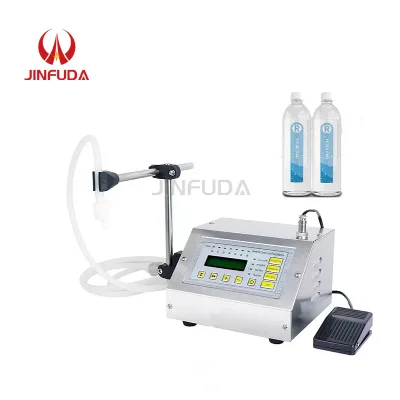
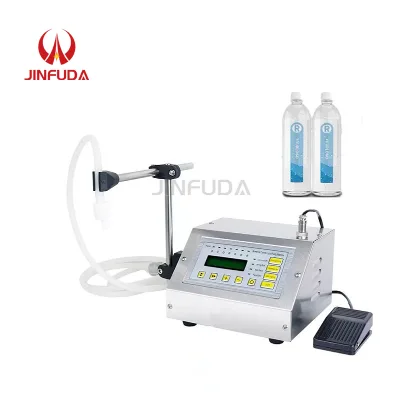


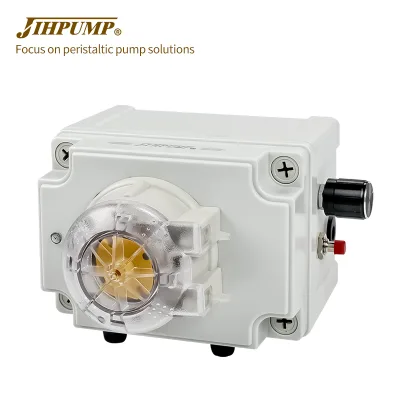


Comprehensive Sourcing Guide
Stepper Motor Liquid Filling Pump Sourcing Guide
Buyers must first distinguish between the specific mechanical architectures available in the current market, as the supplied data reveals distinct operational modes ranging from rotary to linear systems. The observed listings include models utilizing rotor-based dosing devices alongside plunger mechanisms, indicating that the core keyword encompasses a broad spectrum of volumetric filling technologies rather than a single uniform design. Understanding whether a rotary or linear structure is required is the primary decision point, as this choice dictates the machine's footprint and its suitability for continuous versus batch processing environments.
Procurement teams should also evaluate the filling principle compatibility with their specific product viscosity and packaging materials before selecting a supplier. The available data highlights systems operating on pressure, negative pressure, and atmospheric pressure principles, each suited for different fluid dynamics and container types like bottles or boxes. A buyer must verify that the selected pump's filling head configuration, whether single-head or multi-head, aligns with their production line speed requirements to ensure the stepper motor integration delivers the necessary precision without causing mechanical bottlenecks.
Product Scope and Observed Listing Signals
The market signals indicate a diverse range of product models, such as the MG0.90S57Y0.18KW4P and CFCS-03-030, which serve different industrial needs from semi-automatic to manual operation grades. Buyers should note that while some units are designed for continuous working systems with specific flow ranges like 32.4 to 75.6 L/H, others are configured for manual filling with variable capacities ranging from 5 to 3500ml. This variation suggests that the keyword covers both high-volume automated lines and smaller-scale manual stations, requiring careful alignment with the intended production volume.
Observations of packaging and structural details reveal that suppliers offer standard export cartons, wooden boxes, or OEM packing options depending on the specific model and origin. The presence of stainless steel 304/316L pump bodies and Peek gears in some listings signals a focus on corrosion resistance and chemical compatibility for liquid materials, whereas other entries emphasize pneumatic lifting structures or chute lifting mechanisms. Buyers must scrutinize these structural attributes to ensure the machine's physical design matches their facility's layout and the specific handling requirements of their packaging containers.
Technical Specifications to Verify
Technical verification must begin with the electrical parameters, specifically confirming that the voltage and frequency ratings match the local power grid infrastructure. The observed data lists 380V/220V voltage options and a 50 Hz rated frequency, which are critical for ensuring the stepper motor drives the dosing device without overheating or failing to synchronize. Procurement teams should also validate the rated current of 0.6 A against their circuit capacity to prevent tripping breakers, as these electrical specifications directly impact the reliability of the continuous working system.
Fluid handling capabilities require strict validation against the actual product being filled, particularly regarding viscosity and pressure ratings. The available specifications mention a viscosity range of 0.2 to 1500 cps and a working pressure of 0.8 MPa, which defines the operational limits for the pump body and gear assembly. Buyers must ensure their liquid material falls within these bounds to avoid cavitation or excessive wear on the skew tooth involute gear profiles, as exceeding these limits can compromise the precision of the volumetric filling process.
Compliance and Safety Documentation
Safety compliance is a non-negotiable aspect of sourcing, with the observed listings explicitly citing CE and ISO certifications as key indicators of regulatory adherence. Buyers should request current certification documents to verify that the electrical components, such as the IP55 protection level, meet the specific safety standards required for their operating environment. The presence of these certifications suggests that the manufacturer has undergone testing for electrical safety and electromagnetic compatibility, which is essential for protecting operators and maintaining a safe workplace.
Documentation regarding the machine's structural integrity and material safety must also be reviewed to ensure compliance with food or pharmaceutical handling standards if applicable. The use of stainless steel 304/316L for pump bodies and shafts indicates a design intended to prevent contamination, but buyers must verify that the specific grade matches their industry's hygiene requirements. Additionally, the standard export packing and OEM options should be confirmed to ensure that the shipping and handling processes do not introduce damage or compromise the safety features of the dosing device during transit.
Cost Drivers and Commercial Terms
Cost structures for these machines are heavily influenced by the complexity of the filling principle and the material grade of the pump body. Units featuring advanced features like negative pressure filling or multi-head configurations often command higher prices compared to simpler atmospheric pressure models, while the choice between standard stainless steel and specialized Peek gears can significantly alter the unit cost. Buyers should analyze the total cost of ownership, considering that higher initial investment in robust materials like 316L may reduce long-term maintenance expenses associated with corrosion or wear.
Commercial terms regarding minimum order quantities and lead times vary widely across the observed listings, with MOQs ranging from 1 to 30,000 units depending on the supplier's production capacity. The price range observed spans from 0 to 30,000 USD, reflecting the disparity between basic manual units and complex automated systems with custom packaging capabilities. Procurement teams must negotiate clear terms for shipping, including the distinction between standard export cartons and wooden boxes, to avoid unexpected logistics costs that can erode the initial savings on the base equipment price.
Supplier Qualification and Quality Control
Supplier qualification should prioritize manufacturers with a proven track record in producing rotary and linear filling structures that meet the specific model specifications observed in the market. Buyers must verify the supplier's ability to provide the exact prod_model numbers, such as CLG or CD-QZD, and confirm their capacity to customize the dosing device and filling valve heads to match unique production needs. The presence of multiple origin locations, including Suzhou and Qingzhou, suggests a competitive supply chain, but buyers should assess the specific quality control protocols of the chosen facility.
Quality control processes must be validated through on-site audits or third-party inspections to ensure that the automatic grade and structural integrity meet the promised standards. The data indicates a mix of semi-automatic and manual grades, requiring suppliers to demonstrate consistent quality in both high-volume automated lines and lower-speed manual stations. Buyers should request test results for the pressure and flow range capabilities to confirm that the stepper motor and pump body assembly perform reliably under the specified working conditions before finalizing the purchase agreement.
Long-Term Procurement Checks
Long-term procurement success depends on establishing a reliable supply chain for spare parts, particularly for critical components like the rotor, plunger, and gear assemblies. Buyers should verify the availability of replacement parts for the specific pump body material and shaft composition to ensure minimal downtime during the machine's operational life. The continuous working system design implies high usage rates, making the availability of wear-resistant components essential for maintaining the precision of the volumetric filling process over time.
Maintenance protocols and technical support capabilities must be evaluated to ensure the supplier can assist with troubleshooting and calibration of the stepper motor and filling valve heads. The observed data includes various filling principles and valve configurations, which may require specialized knowledge for optimal performance and adjustment. Buyers should secure a service agreement that covers regular maintenance checks and software updates for the automatic grade systems to guarantee that the equipment continues to meet the required flow and pressure specifications throughout its lifecycle.
FAQs
What is the flow range for the MG0.90S57Y0.18KW4P stepper motor liquid filling pump?
The MG0.90S57Y0.18KW4P model provides a flow range of 32.4 to 75.6 liters per hour. This volumetric filling machine uses a rotor dosing device with a skew tooth gear design. It operates at a rated frequency of 50 Hz and supports a viscosity range of 0.2 to 1500 cps for precise liquid handling.
Can the stepper motor liquid filling pump handle high viscosity liquids?
Yes, the pump can handle liquids with a viscosity range of 0.2 to 1500 cps. The system features a stainless steel 304 or 316L pump body and Peek gears. This configuration ensures reliable performance for various liquid materials while maintaining continuous working systems under standard industrial conditions.
Which certifications are available for the stepper motor liquid filling pump?
The equipment is available with CE and ISO certifications. These standards ensure compliance with international safety and quality requirements. The pump body is constructed from stainless steel 304 or 316L, and the unit carries an IP55 protection level for reliable operation in diverse industrial environments.
What is the pressure rating for the stepper motor liquid filling pump?
The pump operates at a pressure of 0.8 MPa. It utilizes a pressure filling principle with a single-head filling valve. The system is designed for continuous operation and includes a chute lifting structure for packaging containers, ensuring stable performance during the dosing process.
How is the stepper motor liquid filling pump customized for specific needs?
Customization is available for various product specifications and packaging requirements. The machine supports different filling principles, including negative pressure and atmospheric pressure options. Buyers can select from single-room feeding structures or multi-head configurations to match their specific production line requirements and container types.
What is the lifting structure for packaging containers in the stepper motor liquid filling pump?
The system features a chute lifting structure for packaging containers. This design supports the volumetric filling process by securely positioning bottles or boxes. The pneumatic lifting option is also available for specific models, ensuring efficient handling and alignment during the automated filling and dosing operations.